

Video Platform Comparisons for Business Video, Hosting, and AI Content
The Platform Comparisons section helps businesses compare video hosting providers, streaming platforms, AI video tools, CDNs, and owned-site video solutions. These resources explain the difference between platforms like Oculu, Wistia, Vimeo, YouTube, Synthesia-style AI tools, and professional video hosting systems.
Choosing a video platform is not just about where to upload a file. The right platform affects playback quality, branding, analytics, monetization, search visibility, AI content workflows, and control over the viewer experience.
This section includes resources on:
- Oculu vs Wistia
- Synthesia alternatives
- Video streaming platform options
- Business video hosting providers
- Content delivery networks
- Professional video hosting
- YouTube and Vimeo limitations
- Cloud video hosting
- Platform features for AI-generated content
- Owned-site video delivery
Business Video Platforms
Business video platforms are built for companies that want more control than a basic upload site can provide. These tools usually support branded players, analytics, embed options, lead generation, and website video placement.
Key comparison points include:
- Player customization
- Website embed flexibility
- Viewer analytics
- Branding control
- Lead-generation features
- Search and AI-discovery support
Oculu, Wistia, and Marketing Video Tools
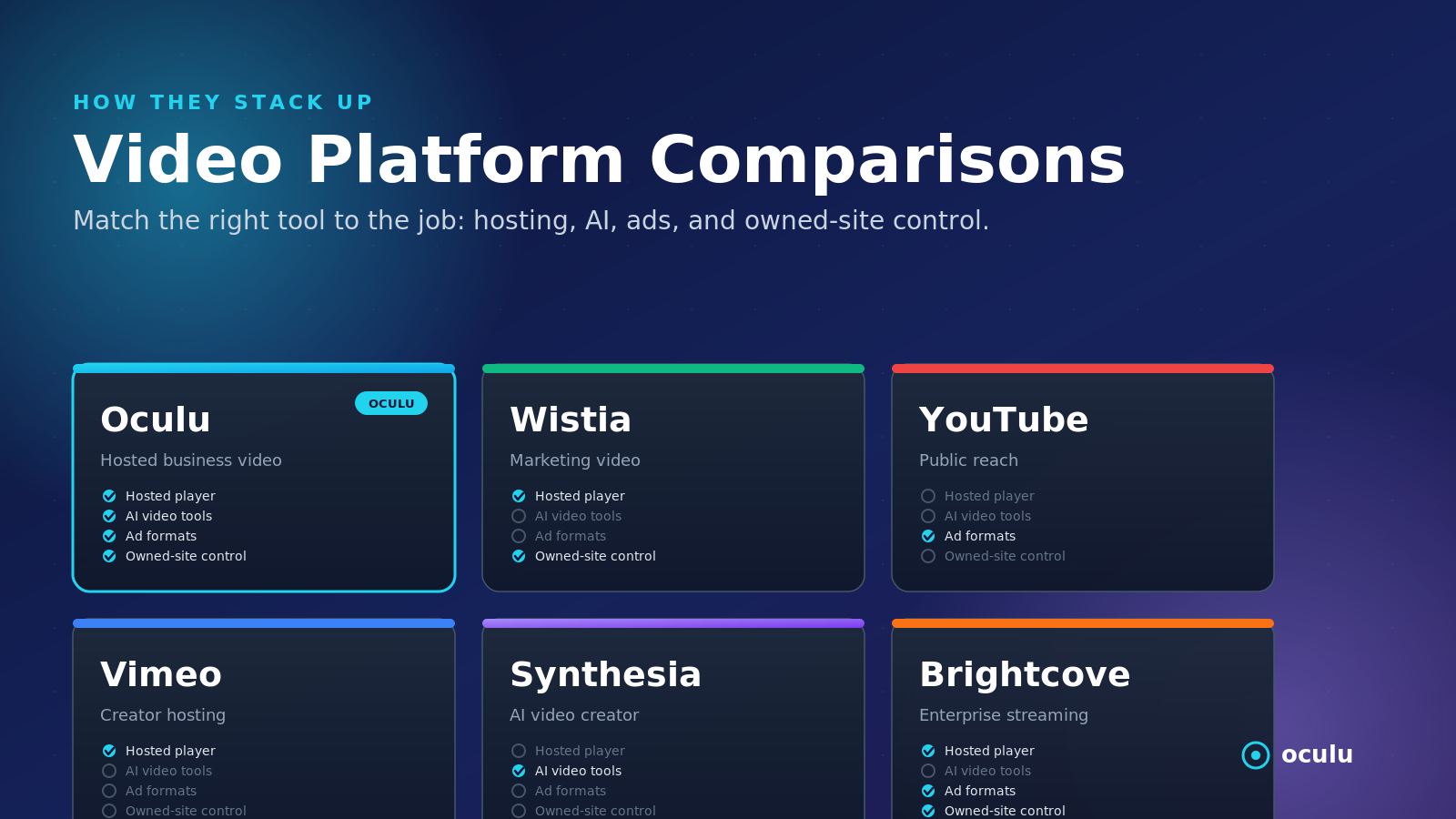
Wistia is often used for marketing videos, lead capture, and viewer analytics. Oculu fits businesses that need hosted video, flexible player formats, overlays, pre-roll tools, monetization options, and owned-site publishing.
This section helps compare:
- Marketing-focused video platforms
- Hosted video player systems
- Pre-roll and overlay capabilities
- Analytics and viewer behavior tools
- Video formats for campaigns, publishers, and business websites
AI Video Tools vs Hosting Platforms
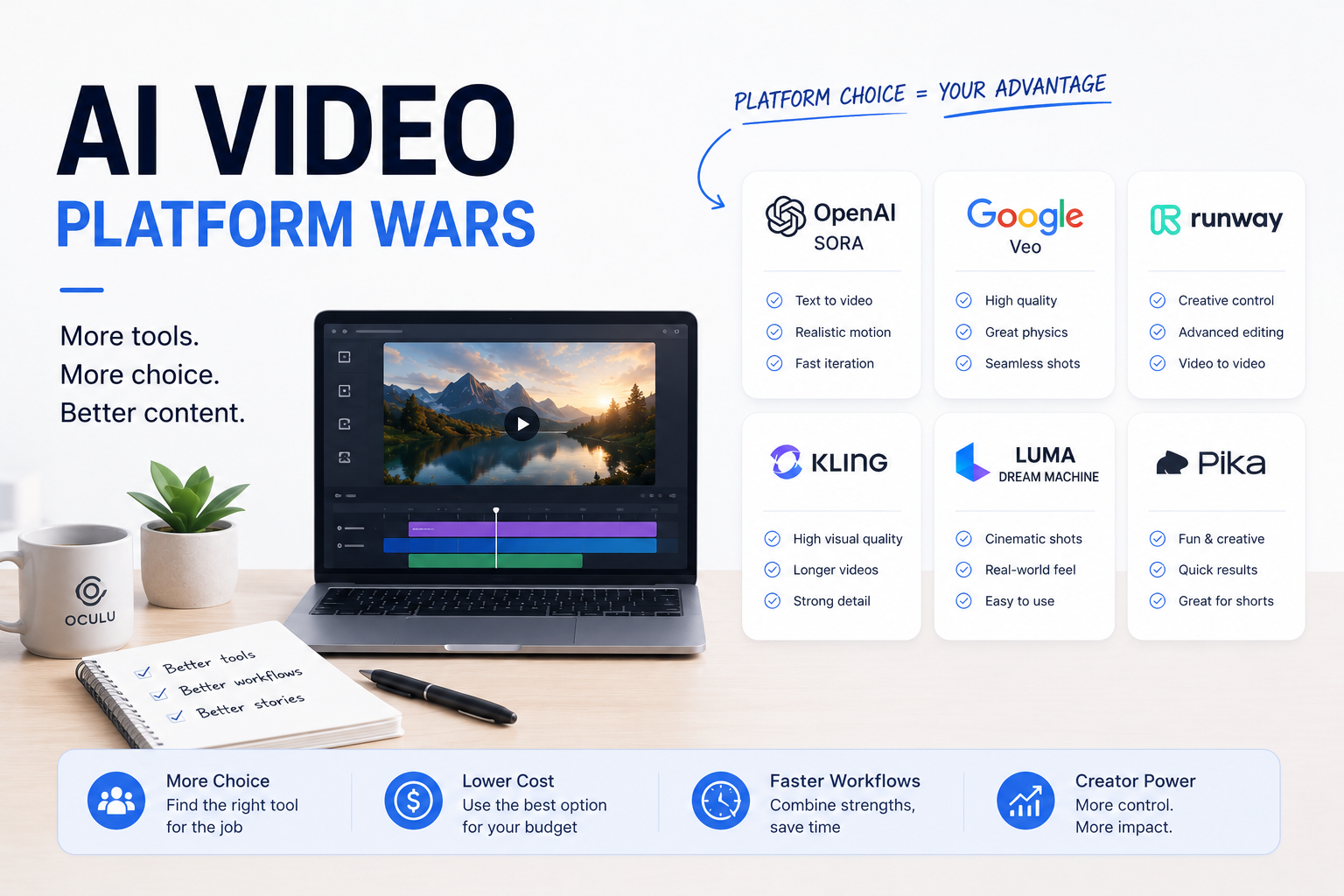
AI video tools can help create videos, but they do not always solve hosting, embedding, analytics, or distribution. A business may use AI to generate a spokesperson video or training clip, but still needs a platform to publish and manage it.
This section explains:
- How AI video tools create content
- Why AI-generated videos still need hosting
- How embeds place videos on business websites
- Why metadata, captions, and page context matter
- How platforms like Oculu support the publishing layer after creation
Streaming, CDNs, and Hosting Infrastructure
Video delivery depends on more than the player. Streaming platforms, CDNs, hosting systems, and file optimization all affect performance.
Important topics include:
- Streaming platform options
- CDN delivery and speed
- Cloud video hosting
- File storage and organization
- Playback reliability
- Mobile performance
- Security and access control
Public Platforms vs Owned-Site Video
YouTube and Vimeo can be useful for public visibility, but they are not always the best option for business websites. Companies often need more control over branding, calls-to-action, analytics, and conversion paths.
Owned-site video platforms can help businesses:
- Keep viewers on their own website
- Use branded players
- Add custom CTAs
- Track first-party engagement
- Run pre-roll or overlay formats
- Support conversion-focused landing pages
- Avoid sending traffic to outside platforms
Why This Section Matters
Platform comparisons help businesses choose the right video system based on their actual goals.
They matter because:
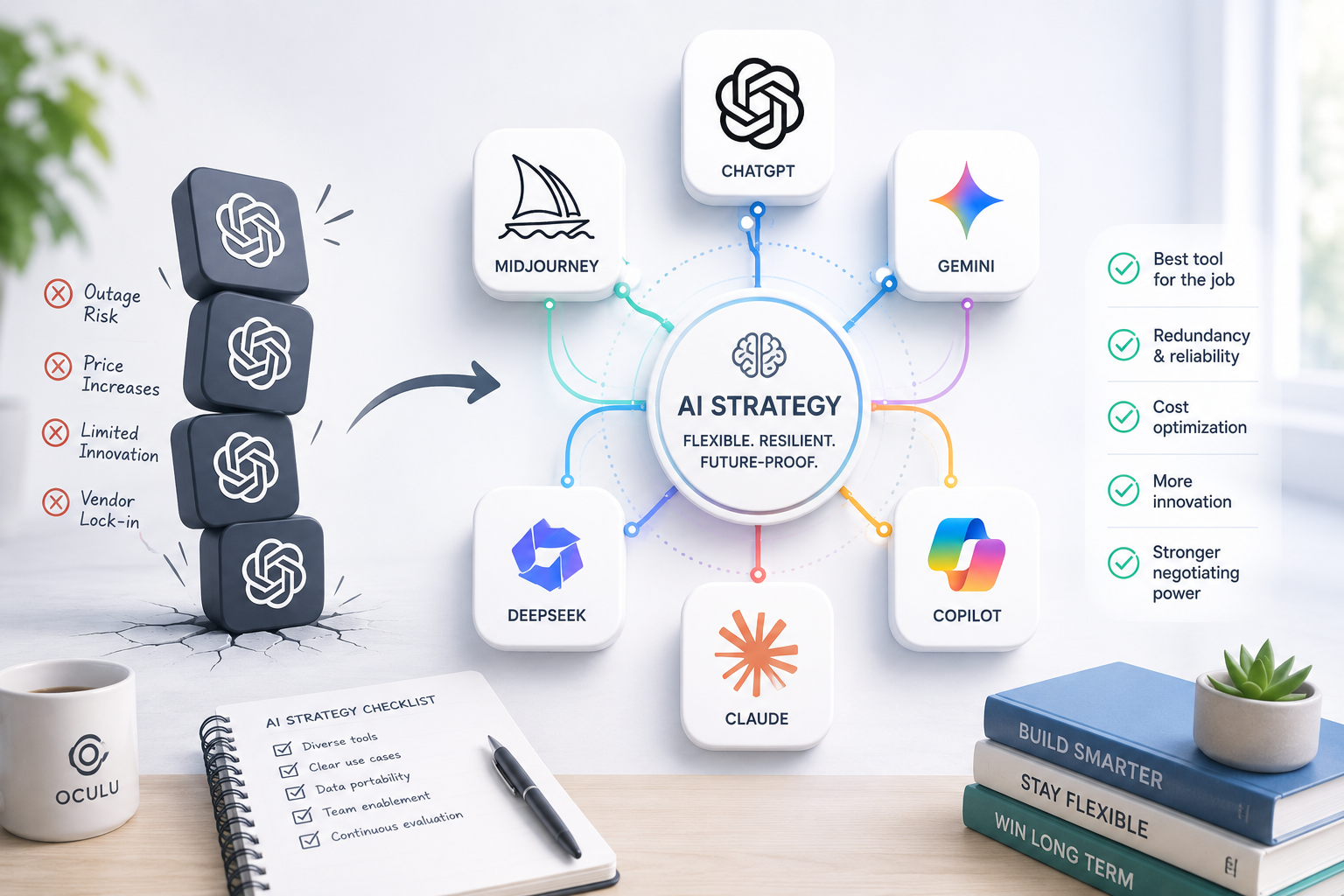
- Different platforms solve different problems
- AI creation tools are not the same as hosting tools
- Public platforms may limit branding and conversion control
- CDNs affect speed and playback quality
- Analytics help measure performance
- Monetization tools create revenue opportunities
- Owned-site video supports SEO and AI-search visibility
Frequently Asked Questions
Businesses should compare hosting quality, player customization, analytics, monetization options, security, AI support, CDN performance, ease of embedding, and control over the viewer experience.
Oculu can be considered an alternative for businesses that need hosted video, flexible player formats, overlays, pre-roll, monetization tools, and AI-ready video workflows beyond standard marketing video features.
No. AI video tools help create video content, while video hosting platforms help publish, deliver, embed, measure, and manage that content on business websites.
YouTube and Vimeo are useful for public distribution, but businesses often need more control over branding, analytics, calls-to-action, ad formats, and owned-site conversion than those platforms provide.