

The End of Sora — And the Beginning of Enterprise AI Video
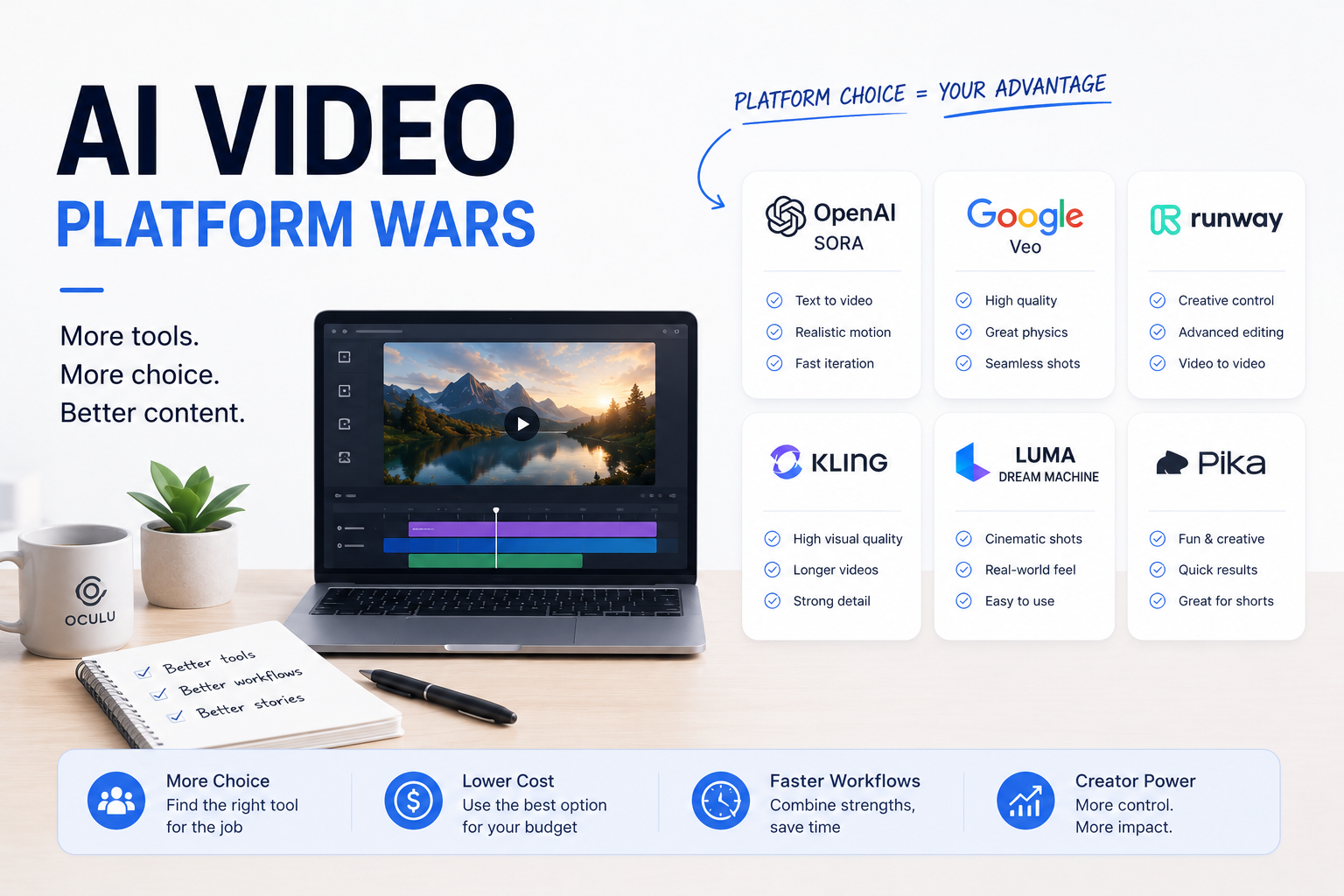
The announcement that OpenAI is shutting down Sora as a standalone product caught a lot of attention. For many, it felt abrupt. Sora represented the cutting edge of AI video — a glimpse into a future where anyone could generate cinematic content from a simple prompt.
But when you step back, the move tells a much bigger story.
This isn’t about AI video slowing down. It’s about AI video growing up.
OpenAI’s decision signals a shift away from experimental, consumer-facing tools and toward something far more meaningful: enterprise-grade AI systems. The kind of systems businesses can rely on, scale, and integrate into real workflows. The kind that move beyond novelty and into infrastructure.
For the past year, the narrative around AI video has been dominated by what it can do. Viral clips, creative experiments, and impressive demonstrations showed the world that machines could generate video content with stunning realism. But beneath that excitement was a quieter question — one that matters far more to businesses:
How do you actually use this consistently?
That’s where the gap begins to appear.
Creating one impressive AI video is not the same as building a repeatable communication system. Businesses don’t just need content — they need alignment, messaging, tone, and continuity. They need videos that reflect their brand, speak clearly to their audience, and can be produced reliably over time.
This is where the idea that “anyone can do it” starts to break down.
AI tools are incredibly powerful, but they still require direction. They need someone to guide them, refine them, and ensure the output serves a purpose. Prompting isn’t just typing a sentence — it’s understanding how to translate intent into outcome. It’s knowing how to shape a result so it feels cohesive, on-brand, and effective.
In other words, someone still has to pull the levers.
And as these tools become more advanced, that role becomes more important — not less.
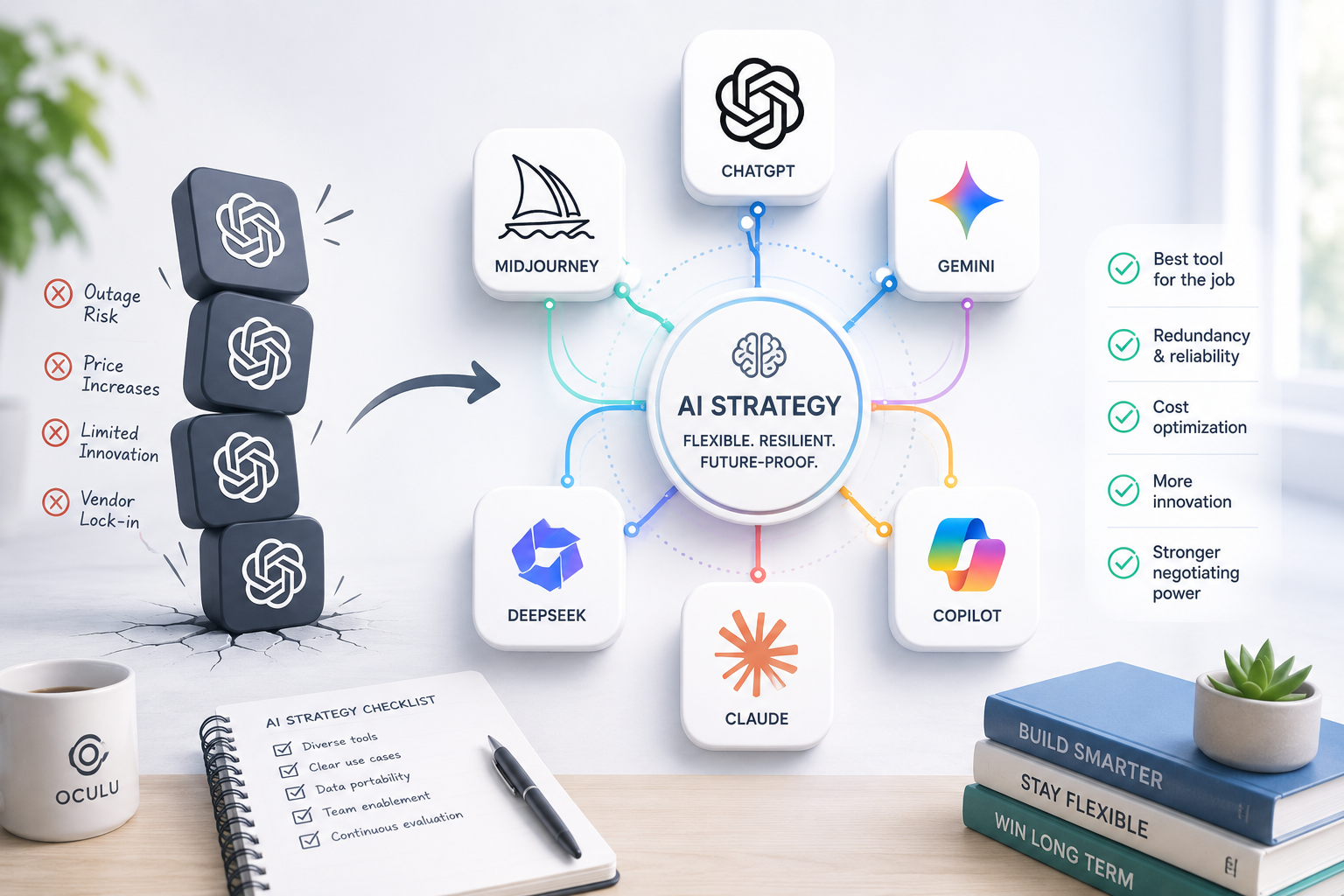
What OpenAI’s move reinforces is that the future of AI video isn’t about giving everyone a toy. It’s about building systems that businesses can depend on. Systems that produce consistent results. Systems that integrate into marketing, training, internal communication, and customer engagement.
The real opportunity is not in creating more video. It’s in creating better communication at scale.
This is where enterprise comes in. Businesses are not looking for random outputs or one-off creative experiments. They are looking for solutions that allow them to communicate clearly, repeatedly, and efficiently. They want to reduce production friction while increasing output quality. They want to maintain a human presence without constantly starting from scratch.
That’s a very different problem than generating a cool clip.
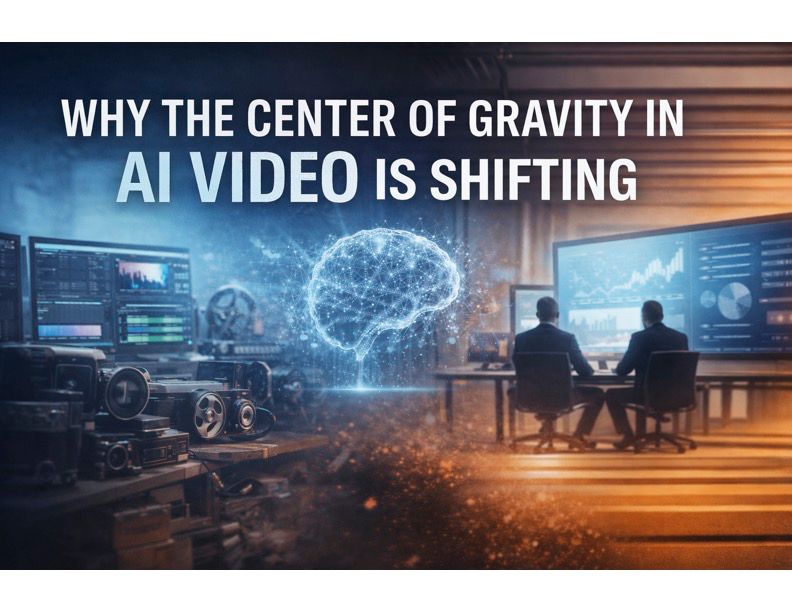
And it’s why the center of gravity in AI video is shifting.
We’re moving from a world where the focus was on creation — what the tool can generate — to a world where the focus is on application — how that output is used in a real business context. This is where structure, process, and expertise come into play.
The tools will continue to evolve. They will get faster, more realistic, and more accessible. But the companies that succeed won’t be the ones chasing every new feature. They’ll be the ones who understand how to use these tools within a system — how to turn raw capability into consistent communication.
That’s the difference between experimentation and execution.
Sora’s shutdown, in that sense, isn’t a retreat. It’s a signal.
A signal that the next phase of AI isn’t about proving what’s possible — it’s about delivering what works.
And in that world, the value shifts away from the tool itself and toward the people and platforms that know how to use it effectively.
The future of AI video won’t be defined by who can generate the most content.
It will be defined by who can use it to communicate best.